
L'equinozio d'autunno è il sedicesimo dei 24 termini solari del tradizionale calendario lunisolare cinese, 农历. Inizia quando il sole raggiunge 180° (punto d'autunno), in questo giorno il sole colpisce quasi direttamente l'equatore terrestre. Nel calendario gregoriano si trova solitamente tra 22 e 24 settembre.
The autumn equinox is the 16th of the 24 solar terms of the Chinese traditional lunisolar calendar, the 农历. It starts when the sun reaches 180° (autumn point). This day the sun almost directly hits the Earth's equator. The time is usually from September 22 to 24 of the gregorian calendar.

In questo modo il giorno e la notte hanno la stessa durata, vale a dire di 12 ore.
In this way day and night have the same duration, that is, 12 hours.

阴阳 (Yīn yáng)
L'alternanza
del Sole e della Luna è alla base dell'antica saggezza raccolta nell'I CHING
(Classico dei Mutamenti), base del futuro taoismo.
The
alternation of the Sun and Moon is at the basis of the ancient wisdom gathered
in the I KING (Classic of Change) base of the future Taoism.

La durata del giorno e della notte in tutto il mondo (indipendentemente dalla rifrazione del sole e dall'ombra del sole) è la stessa. Dopo l'equinozio d'autunno, il punto solare diretto continua a spostarsi dall'equatore all'emisfero meridionale e l'emisfero settentrionale inizia a indugiare nella notte, cioè il giorno inizia ad essere più corto della notte, nell'emisfero meridionale è l'opposto. Pertanto, l'equinozio d'autunno è anche chiamato il punto di rilascio.
It is the same length of day and night around the world (regardless of the refraction of the sun and the shadow of the sun). After the autumn equinox, the direct sun point continues to move from the equator to the southern hemisphere, and the northern hemisphere begins to linger in the night, that is, the day begins to be shorter than the night; the southern hemisphere is opposite. Therefore, the autumnal is also called the drop point.

Sui poli nord e sud, nel giorno dell'equinozio d'autunno, il sole è all'orizzonte tutto il giorno. Da allora in poi, mentre il punto diretto del sole continua a muoversi verso sud, inizia la notte polare di sei mesi vicino al Polo Nord.
On the north and south poles, on the autumn day, the sun is on the horizon all day. Thereafter, as the direct sun's direct point continued to move southward, a six-month polar night began near the North Pole.

Quest'anno cade il 23 settembre.
This year it falls on September 23rd.

Il 21 giugno 2018, il Consiglio di Stato emise l'approvazione per l'istituzione del "Festival del Raccolto Agricolo Cinese".
On June 21, 2018, the State Council approved to establish the "Chinese Farmers Harvest Festival".

Rugiada Bianca già andata, Rugiada Fredda non ancora arrivata, è tempo per i semi d'autunno
White Dew gone, Cold Dew not yet arrived, it's time for autumn seeds
Nella Cina settentrionale ci sono contadini che affermano: "Bailu (白露 "Rugiada Bianca", il 15° termine solare) è già andata, Hanlu (寒露 "Rugiada Fredda", 17° termine solare) non è ancora arrivata, è tempo per i semi d'autunno". I proverbi stabiliscono chiaramente il tempo per piantare il grano invernale nella zona e "il clima autunnale, le nuvole bianche, le belle canzoni e le buone piante di riso" riflettono quando è ora di piantare il riso nell'area di Jiangnan. Inoltre, i tabù dei lavoratori sul festival autunnale sono anche riassunti in proverbi, come "L'autunno ha paura solo dei lampi, [da ciò dipende] quanto sarà più costoso il riso".
In China's North region, there are farmers who said: "Bailu [白露 "White Dew", 15th Solar term] has just gone, Hanlu [寒露 "Cold Dew", 17th Solar term] still has to arrive, it's time for autumn seeds." The proverbs clearly stipulate the time for planting winter wheat in the area; and "the autumnal weather, white clouds, good songs and good rice plants" reflect the time to plant rice in the Jiangnan area. In addition, the working people's taboos on the autumn festival are also summed up into proverbs, such as "The autumn is only afraid of lightning flash, [on it depends] how much more expensive the rice will be."

Il cotone dell'equinozio d'autunno è pronto e le foglie del tabacco s’ingialliscono; è un buon momento per il raccolto. Il grano invernale è già stato piantato nel nord della Cina e nel bacino del fiume Yangtze e in vaste aree del sud la gente è impegnata a raccogliere il riso tardivo, ad arare la terra e a preparare la colza per la semina.
The autumnal equinox cotton spews out, and the tobacco leaves change from green to yellow. It is a good time to harvest. Winter wheat has already been planted in North China, and the Yangtze River Basin and large areas in the south are busy harvesting late rice, ploughing the land and preparing rapeseed for sowing.

“秋分到,蛋儿俏” (Qiūfēn dào, dànr qiào)
Nell'equinozio
autunnale oggi, in molte parti della Cina, ci sono decine di milioni di persone
che eseguono il test delle "uova verticali". Scegliete delle uova
fresche dal corpo simmetrico, mettetele delicatamente sul tavolo, molti sono i
perdenti ma ci sono anche dei vincitori.
In
the autumn equinox today, in many parts of China, there are tens of millions of
people who test the "vertical eggs". Choose fresh eggs from the
symmetrical body, place them gently on the table, many are the losers but there
are also winners.

Salute:
E' importante mantenere l'equilibrio di yin e yang del corpo. Il tempo in autunno è secco (yang) e il male principale è la siccità. Dopo l'equinozio autunnale, soffia il vento in modo che la temperatura gradualmente diminuisce, allo stesso tempo i cambiamenti nella secchezza e nella freddezza dell'autunno sono anche legati alla costituzione e alla reazione del corpo di ciascuno. Per prevenire la secchezza è necessario fare dell'esercizio fisico, migliorare la forma fisica e migliorare la resistenza alle malattie. L'esercizio autunnale deve mettere attenzione alla salute dei polmoni e della gola, sempre per evitare secchezza.
Health:
It's important to maintain the balance of yin and yang of the body. The weather
in autumn is dry (yang) and the main evil is dryness. After the autumn equinox,
the autumn winds hit, so that the temperature gradually declines, the cold is
getting heavy, so there is more cold and dry. At the same time, the changes of
autumn dryness and coldness are also related to each person's constitution and
body reaction. To prevent dryness, you must adhere to exercise, enhance
physical fitness, and improve disease resistance. Autumn exercise, focus on the
benefit of lungs and throat.

La
dieta deve ripristinare l'equilibrio, è opportuno bere molta acqua, mangiare
cibi umidi e caldi, mangiare sesamo, noce, riso glutinoso, miele, prodotti
lattiero-caseari, e pere, tutti alimenti Yin e i polmoni possono svolgere un
ruolo equilibratore. L'autunno è il momento migliore per assaggiare i granchi.
Ma il granchio è una cosa fredda, dunque non bisogna mangiarne troppo.
For
diet and nutrition, you should drink plenty of water and eat clean and moist
foods such as sesame, walnut, glutinous rice, honey, dairy products, pears,
etc., which can play a role in nourishing yin and moistening the lungs,
nourishing yin and fluid.Autumn is the best time for people to taste crabs. But
the crab is a cold thing, and it is not suitable for eating too much.

In termini di salute mentale, la cosa più importante è coltivare l'ottimismo e mantenere la pace e la tranquillità. Gli anziani possono ridurre il loro modo di parlare, e possono andare in giro, lasciando che i cattivi stati d'animo, come la depressione e l'imbarazzo, si dissipino. Allo stesso tempo, dopo l'equinozio d'autunno, il clima si fa sempre più freddo, che è la stagione delle ripetizioni multiple e delle malattie dello stomaco. Il tratto gastrointestinale è molto sensibile agli stimoli del freddo e le persone con gastrite cronica dovrebbero prestare particolare attenzione al calore dello stomaco. In terms of mental health, the most important thing is to cultivate optimism and maintain peace and tranquility. The elderly can reduce their speech, and they can go far and wide, and let the bad moods such as depression and embarrassment dissipate. At the same time, after the autumn equinox, the climate is getting colder, which is the season of multiple and recurrence of stomach diseases. The gastrointestinal tract is very sensitive to cold stimuli. People with chronic gastritis should pay special attention to the warmth of the stomach.

“秋分吃秋菜” (Qiūfēn chī qiūcài)
Nella
zona di Lingnan, si consuma il "Piatto d'autunno" che consiste
nell'amaranto selvaggio. La gente rurale la chiama "Artemisia
d'autunno". Ogni giorno d'autunno, tutto il villaggio va a raccogliere
queste verdure autunnali. Serve per pulire il fegato e l'intestino e per
crescere sani. L'amaranto selvatico contiene una varietà di sostanze nutritive.
Ricco di carotene e di vitamina C, aiuta a migliorare la funzione immunitaria
del corpo, migliorare l'effetto anti-cancro. L'amaranto selvatico fritto é
diuretico, ha effetti disinfettanti, di analgesico, può migliorare la
resistenza alle malattie. Serve per combattere la dissenteria, la cecità degli
uccelli, le emorroidi e ad altre malattie.
In
the Lingnan area, the "Plate of Autumn" is used, which consists of
wild savannah. Rural people call it "Fall Artemisia". Every autumn,
the whole village goes to collect these autumnal vegetables. It serves to clean
the liver and the intestines and to grow healthy. Wild Amaranth contains a
variety of nutrients. Rich in carotene and vitamin C, it helps to improve the
body's immune function, improve the anti-cancer effect. Fried wild amaranth is
diuretic, has disinfectant effects, analgesic, can improve resistance to
disease. It serves to combat dysentery, bird blindness, hemorrhoids, and other
diseases.
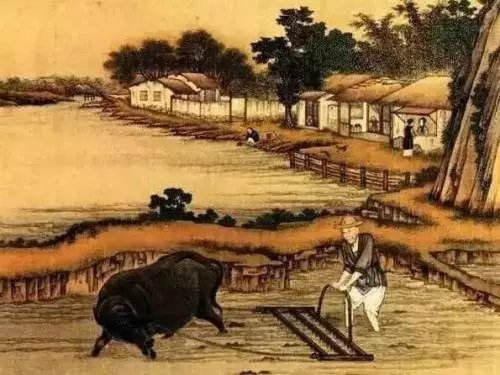
La
stagione autunnale è anche la stagione per trasferire il bestiame. E' indicata sulla
"Mappa del bestiame autunnale". La mappa è stampata su carta rossa o gialla dove sono indicati i
termini lunisolari dell'intero anno. E' stampata anche su un modulo che indica
l'aratura degli agricoltori, denominato "mappatura di bestiame
d'autunno".
The
autumn season is also the season for transferring livestock. It is indicated on
the "Map of Autumn Cattle". The map is printed on red or yellow paper
where the lunar term of the entire year is indicated. It is also printed on a
form that indicates the plowing of farmers, called "mapping of autumn
cattle".
Per
saperne di più clicca qui:
Read
more here:


